 An official website of the United States government
Astragalus
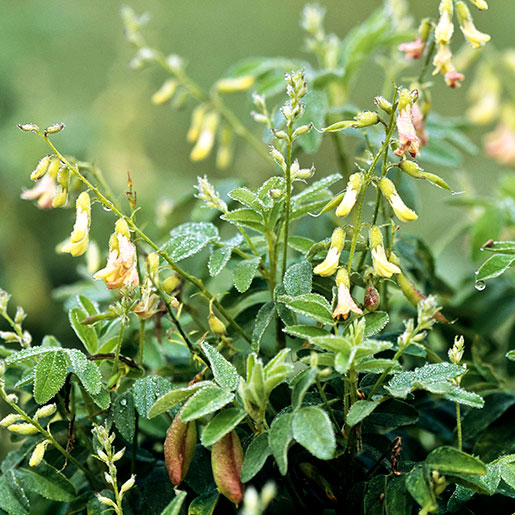
Common Names: astragale, astragale à feuilles de réglisse, beg kei, milk vetch
Latin Names: Astragalus membranaceus
Background
- Astragalus has been used for centuries in traditional Chinese medicine in combination with other herbs.
- Its root is used for health care purposes.
- Commonly combined with other herbs, astragalus has been promoted as a dietary supplement for many conditions, including upper respiratory infections, allergic rhinitis (hay fever), asthma, chronic fatigue syndrome, and chronic kidney disease, among others. It’s also promoted to strengthen and regulate the immune system. Topical use (application to the skin) of astragalus is promoted for improving blood flow and speeding wound healing.
How Much Do We Know?
- There are no high-quality studies in people of astragalus for any health condition.
What Have We Learned?
- Patients with nephrotic syndrome (health problems related to kidney damage) are susceptible to infections. A 2013 research review found that taking astragalus may be associated with a lower risk of upper respiratory tract infections in children with nephrotic syndrome than prednisone treatment alone. However, the review concluded the studies were of low quality.
- An astragalus-based herbal formula didn’t extend the lives of people with advanced lung cancer, a small 2009 trial reported. The study (with 24 people) was supported in part by the National Center for Complementary and Integrative Health (NCCIH).
What Do We Know About Safety?
- Astragalus may be safe when used orally and appropriately. (Doses up to 60 grams daily for up to 4 months have been used without reported adverse effects.) Some possible side effects with oral use include rash, itching, nasal symptoms, or stomach discomfort, but these are uncommon.
- Astragalus may interact with medications that suppress the immune system.
- Some astragalus species, usually not found in dietary supplements, can be toxic to livestock. Several species that grow in the United States contain the neurotoxin swainsonine and have caused “locoweed” poisoning in animals. Other species contain potentially toxic levels of selenium. Too much selenium can lead to diarrhea, irritability, nausea, skin rashes, and nervous system problems.
- Little is known about whether it’s safe to use astragalus during pregnancy or while breastfeeding. Some research in animals suggests that astragalus can be toxic to the mother and fetus.
Keep in Mind
- Take charge of your health—talk with your health care providers about any complementary health approaches you use. Together, you can make shared, well-informed decisions.
NCCIH Clearinghouse
The NCCIH Clearinghouse provides information on NCCIH and complementary and integrative health approaches, including publications and searches of Federal databases of scientific and medical literature. The Clearinghouse does not provide medical advice, treatment recommendations, or referrals to practitioners.
Toll-free in the U.S.: 1-888-644-6226
Telecommunications relay service (TRS): 7-1-1
Website: https://www.nccih.nih.gov
Email: info@nccih.nih.gov (link sends email)
PubMed®
A service of the National Library of Medicine, PubMed® contains publication information and (in most cases) brief summaries of articles from scientific and medical journals. For guidance from NCCIH on using PubMed, see How To Find Information About Complementary Health Approaches on PubMed.
Website: https://pubmed.ncbi.nlm.nih.gov/
Office of Dietary Supplements (ODS), National Institutes of Health (NIH)
ODS seeks to strengthen knowledge and understanding of dietary supplements by evaluating scientific information, supporting research, sharing research results, and educating the public. Its resources include publications (such as Dietary Supplements: What You Need To Know) and fact sheets on a variety of specific supplement ingredients and products (such as vitamin D and multivitamin/mineral supplements).
Website: https://ods.od.nih.gov
Email: ods@nih.gov (link sends email)
Key References
- Alford ER, Pilson-Smits EA, Fakra SC, et al. Selenium hyperaccumulation by Astragalus (Fabaceae) does not inhibit root nodule symbiosis. American Journal of Botany. 2012;99(12):1930-1941.
- Astragalus. Natural Medicines website. Accessed at naturalmedicines.therapeuticresearch.com on October 14, 2019. [Database subscription].
- Cassileth BR, Rizvi N, Deng G, et al. Safety and pharmacokinetic trial of docetaxel plus an Astragalus-based herbal formula for non-small cell lung cancer patients. Cancer Chemotherapy and Pharmacology. 2009;65(1):67-71.
- Cook D, Gardner DR, Pfister JA, et al. A screen for swainsonine in select North American Astragalus species. Chemistry & Biodiversity. 2017;14(4).
- Li M, Wang W, Xue J, et al. Meta-analysis of the clinical value of Astragalus membranaceus in diabetic nephropathy. Journal of Ethnopharmacology. 2011;133(2):412-419.
- Office of Dietary Supplements. Selenium. Fact Sheet for Consumers. Office of Dietary Supplements website. Accessed at https://ods.od.nih.gov/factsheets/Selenium-Consumer/ on October 31, 2019.
- Zou C, Su G, Wu Y, et al. Astragalus in the prevention of upper respiratory tract infection in children with nephrotic syndrome: evidence-based clinical practice. Evidence-Based Complementary and Alternative Medicine. 2013;2013:352130.
This publication is not copyrighted and is in the public domain. Duplication is encouraged.
NCCIH has provided this material for your information. It is not intended to substitute for the medical expertise and advice of your health care provider(s). We encourage you to discuss any decisions about treatment or care with your health care provider. The mention of any product, service, or therapy is not an endorsement by NCCIH.