 An official website of the United States government
NCCIH blogs about research developments related to complementary health practices. Check in regularly to keep up with the latest findings.
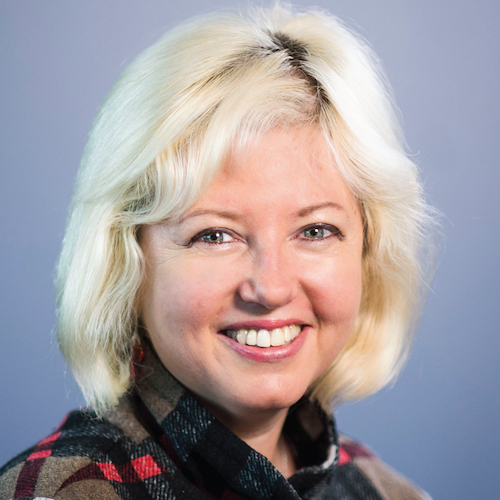
Join Us for a Full-Day Meeting on Cannabinoids and Pain on June 4
April 24, 2024
Inna Belfer, M.D., Ph.D.
Interested in research on cannabinoids, pain, or both? Join us virtually for the 2024 NCCIH Cannabinoid Research Principal Investigators Meeting on Tuesday, June 4, from 9 a.m. to 5 p.m. ET.
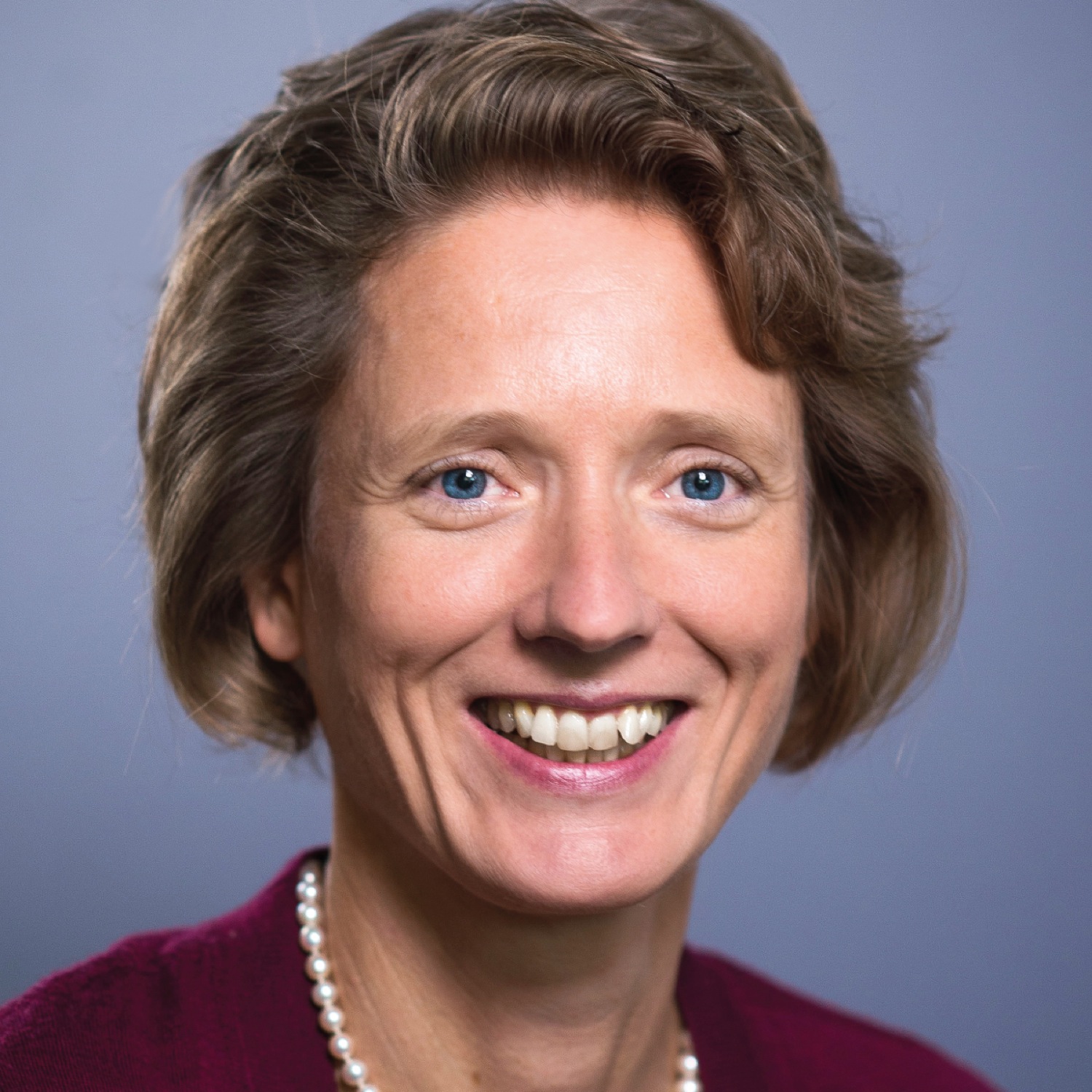
May Council Meeting To Feature NCCIH’s Research Portfolio and Strategic Planning
April 10, 2024
Martina Schmidt, Ph.D.
Join us for the open session of the National Advisory Council for Complementary and Integrative Health (NACCIH) meeting on Friday, May 17, 2024, which will be livestreamed on NIH VideoCast from 11:10 a.m. to 4 p.m. ET.
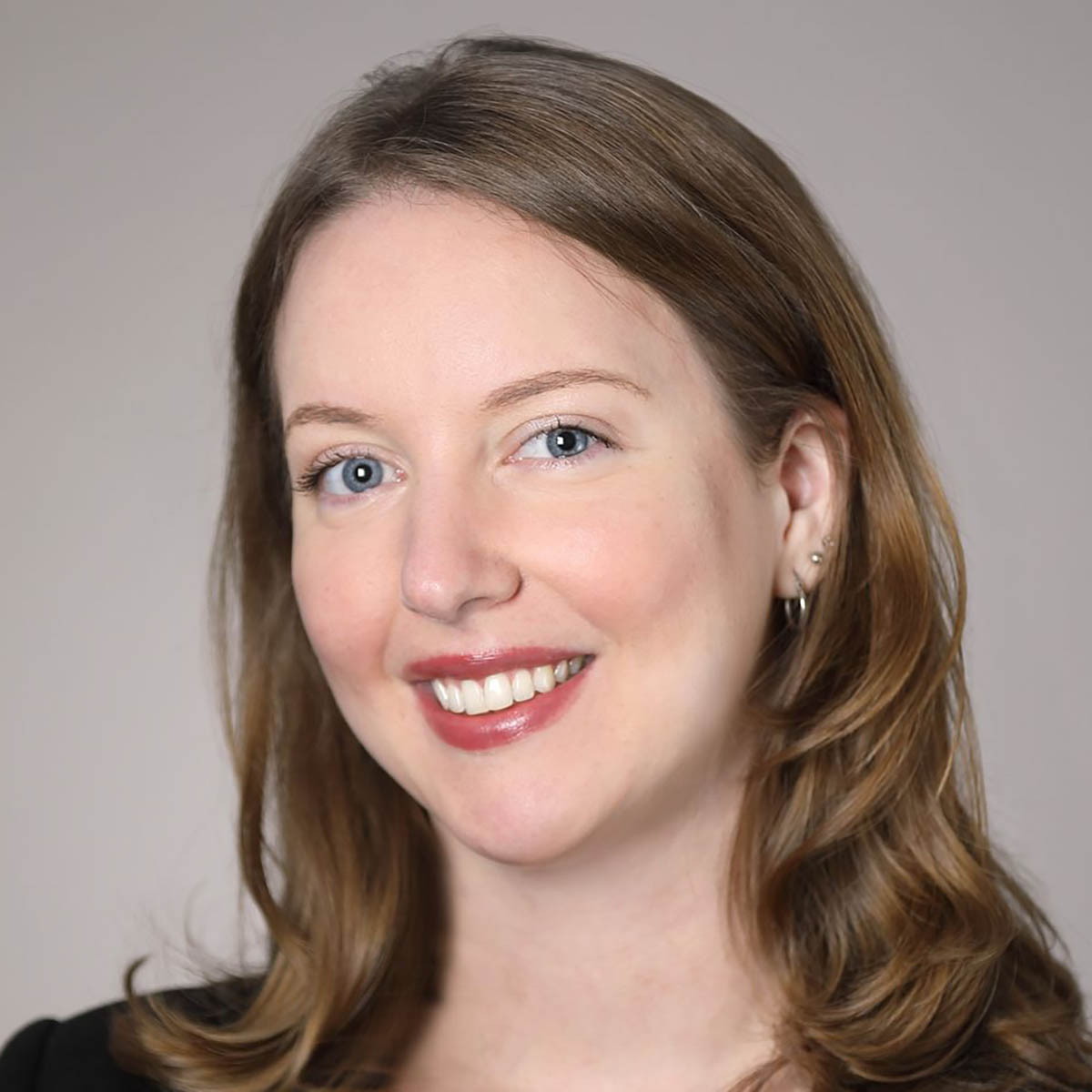
Leveling Up: Using Multilevel Interventions To Address Whole Person Health
March 25, 2024
Jennifer Baumgartner, Ph.D.
NCCIH recently updated our priority language in our clinical trial notices of funding opportunities to include multilevel intervention research “where at least one level of interventions includes a mind and body intervention.” But what are multilevel interventions exactly and how are they conducted?
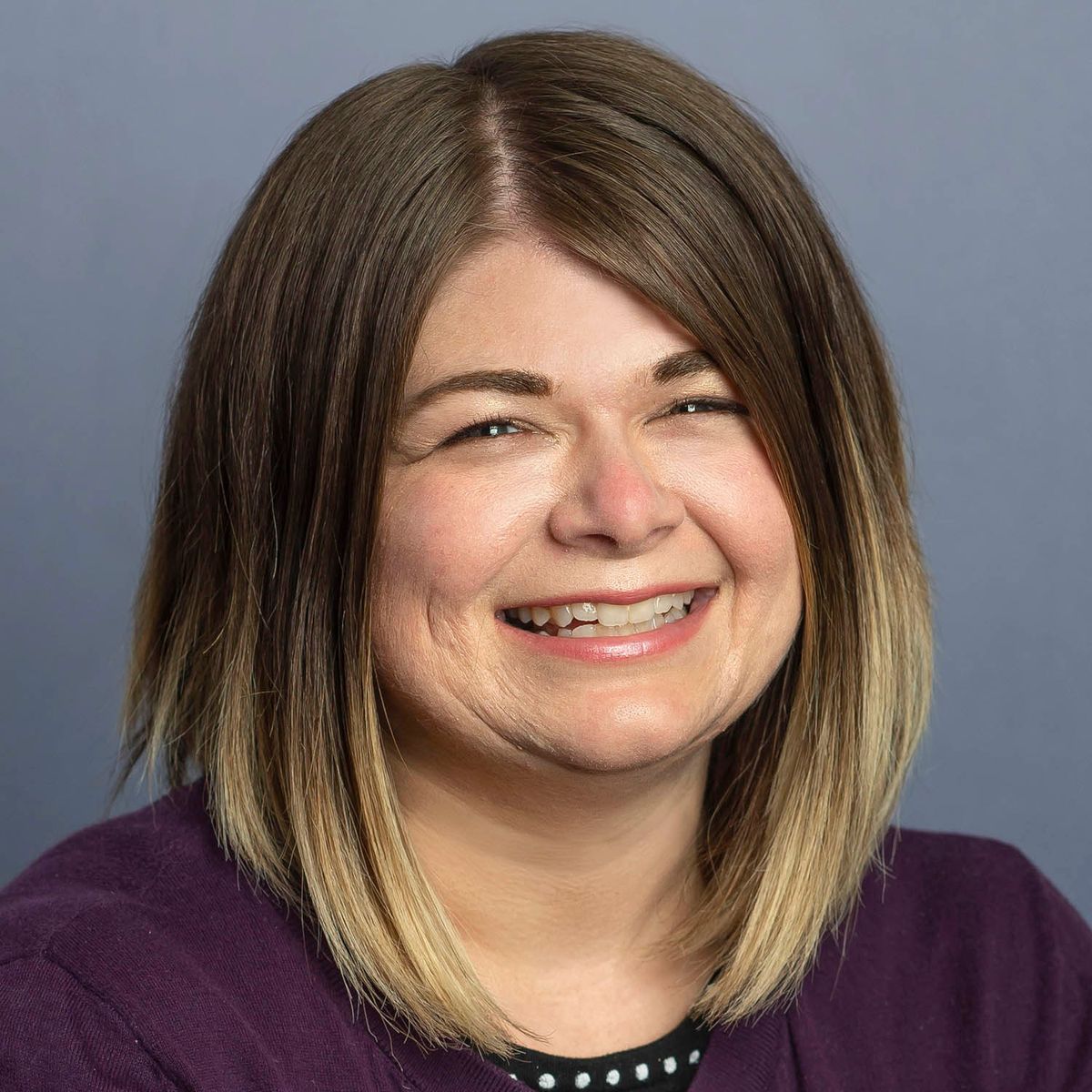
Change Is in the Air for RPG and NRSA Grants
March 1, 2024
Jessica McKlveen, Ph.D.
Dr. Jessica McKlveen, National Center for Complementary and Integrative Health, discusses changes regarding Research Project Grant and Ruth L. Kirschstein NRSA grant applications.
NCCIH-Supported Research Advances Understanding of How the Brain Clears Waste
February 28, 2024
Inna Belfer, M.D., Ph.D.
Are you interested in learning more about how the brain removes waste products through the glymphatic and meningeal lymphatic systems?
Dr. Eric Garland Will Present Keynote Talk at NIH Emotional Well-Being Investigator Meeting
February 26, 2024
NCCIH Research Blog Team
On March 18, 2024, Eric Garland, Ph.D., L.C.S.W., will present the keynote talk “Mindfulness-Oriented Recovery Enhancement Builds Emotional Well-Being by Restructuring Reward, Meaning, and Self” at the 2024 Annual Emotional Well-Being (EWB) Investigator Meeting.
Webinars, Videos, and Other Resources To Help You With NIH Grants and Funding
February 7, 2024
Martina Schmidt, Ph.D.
Free information resources are available to help applicants, grantees, and their colleagues apply for NIH grants
Join Us at the International Congress on Integrative Medicine and Health in Cleveland
January 18, 2024
Emmeline Edwards, Ph.D.
NCCIH will lead a variety of sessions at the in-person 2024 International Congress on Integrative Medicine and Health (ICIMH) in Cleveland, Ohio, from April 9 through April 13, 2024.
January Council Meeting To Include Talks on Native American Traditional Practices and Spirituality
December 27, 2023
Martina Schmidt, Ph.D.
Join us online on January 19 for the open session of the National Advisory Council on Complementary and Integrative Health meeting.
When and How To Contact NCCIH Program Directors for Help
December 21, 2023
Inna Belfer, M.D., Ph.D.
If you plan to apply for a grant from NCCIH or if you’ve submitted a grant application, NCCIH program directors can be an excellent resource for you.