 An official website of the United States government
Cinnamon
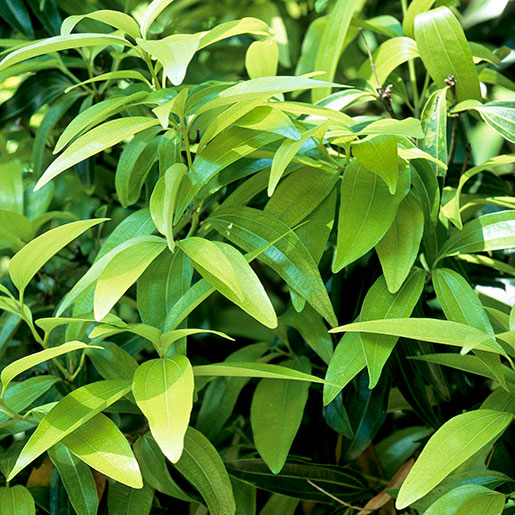
Common Names: cinnamon, cinnamon bark, Ceylon cinnamon, cassia cinnamon
Latin Names: Cinnamomum verum (also known as Cinnamomum zeylanicum), Cinnamomum aromaticum (also known as Cinnamomum cassia)
Background
- There are many types of cinnamon. Ceylon cinnamon (Cinnamomum verum), grown primarily in Sri Lanka, is known as “true” cinnamon. Cassia cinnamon (Cinnamomum aromaticum), grown in southeastern Asia, is the most common type sold in North America.
- Used as a spice for thousands of years, cinnamon comes from the bark of various species of cinnamon trees. The leaves, flowers, fruits, and roots of cinnamon trees have also been used in cooking and for medicinal purposes. There are differences in the chemical composition of cinnamon products produced from different species or parts of cinnamon trees.
- Cinnamon has a long history of use in traditional medicine in various parts of the world, including China, India, and Persia (Iran).
- Today, cinnamon is promoted as a dietary supplement for diabetes or for irritable bowel syndrome or other gastrointestinal problems, as well as other conditions. Cassia cinnamon is promoted for topical use (application to the skin) as an insect repellent.
How Much Do We Know?
- There have been many studies of cinnamon, especially for diabetes. However, the results of the studies are difficult to interpret because it’s often unclear what type of cinnamon and what part of the plant were used.
What Have We Learned?
- Studies done in people don’t clearly support using cinnamon for any health condition.
- A 2019 review of 18 studies of cinnamon supplementation in people with diabetes suggested that cinnamon could reduce blood sugar but didn’t have a significant effect on hemoglobin A1C, which reflects blood sugar levels over a longer period of time. However, it’s unclear whether these findings are meaningful because 10 of the studies didn’t identify the type of cinnamon used, and 8 of the studies were judged to be of low quality for other reasons.
- It’s uncertain whether cinnamon is helpful for weight loss or for controlling blood levels of cholesterol and related lipids. There’s not enough evidence to show whether cinnamon is helpful for irritable bowel syndrome.
- It’s unclear whether cassia cinnamon is effective as an insect repellent.
What Do We Know About Safety?
- Cinnamon supplements appear to be safe when consumed in the amounts commonly used in foods as a spice or flavoring agent. Use in larger amounts or for long periods of time is sometimes associated with side effects, most commonly gastrointestinal problems or allergic reactions.
- Cassia cinnamon contains a chemical called coumarin, which can be harmful to the liver. Some cassia cinnamon products contain high levels of this substance. In most cases, consuming cassia cinnamon doesn’t provide enough coumarin to cause significant problems. However, prolonged use of cassia cinnamon could be an issue for sensitive people, such as those with liver disease.
- Little is known about whether it’s safe to use cassia cinnamon during pregnancy or while breastfeeding. Ceylon cinnamon may be unsafe for use during pregnancy if consumed in amounts greater than those commonly found in foods. Little is known about whether it’s safe to use Ceylon cinnamon during breastfeeding in amounts greater than those commonly found in foods.
- Cinnamon should not be used in place of conventional medical care or to delay seeking care if you have health problems. This is particularly true if you have diabetes.
Keep in Mind
- Take charge of your health—talk with your health care providers about any complementary health approaches you use. Together, you can make shared, well-informed decisions.
NCCIH Clearinghouse
The NCCIH Clearinghouse provides information on NCCIH and complementary and integrative health approaches, including publications and searches of Federal databases of scientific and medical literature. The Clearinghouse does not provide medical advice, treatment recommendations, or referrals to practitioners.
Toll-free in the U.S.: 1-888-644-6226
Telecommunications relay service (TRS): 7-1-1
Website: https://www.nccih.nih.gov
Email: info@nccih.nih.gov (link sends email)
PubMed®
A service of the National Library of Medicine, PubMed® contains publication information and (in most cases) brief summaries of articles from scientific and medical journals. For guidance from NCCIH on using PubMed, see How To Find Information About Complementary Health Approaches on PubMed.
Website: https://pubmed.ncbi.nlm.nih.gov/
Office of Dietary Supplements (ODS), National Institutes of Health (NIH)
ODS seeks to strengthen knowledge and understanding of dietary supplements by evaluating scientific information, supporting research, sharing research results, and educating the public. Its resources include publications (such as Dietary Supplements: What You Need To Know) and fact sheets on a variety of specific supplement ingredients and products (such as vitamin D and multivitamin/mineral supplements).
Website: https://ods.od.nih.gov
Email: ods@nih.gov (link sends email)
Key References
- Bandara T, Uluwaduge I, Jansz ER. Bioactivity of cinnamon with special emphasis on diabetes mellitus: a review. International Journal of Food Sciences and Nutrition. 2012;63(3):380-386.
- Cassia cinnamon. Natural Medicines website. Accessed at naturalmedicines.therapeuticresearch.com on October 10, 2019. [Database subscription].
- Ceylon cinnamon. Natural Medicines website. Accessed at naturalmedicines.therapeuticresearch.com on October 10, 2019. [Database subscription].
- Costello RB, Dwyer JT, Saldanha L, et al. Do cinnamon supplements have a role in glycemic control in type 2 diabetes? A narrative review. Journal of the Academy of Nutrition and Dietetics. 2016;116(11):1794-1802.
- Hajimonfarednejad M, Ostovar M, Raee MJ, et al. Cinnamon: a systematic review of adverse events. Clinical Nutrition. 2019;38(2):594-602.
- Maierean SM, Serban M-C, Sahebkar A, et al. The effects of cinnamon supplementation on blood lipid concentrations: a systematic review and meta-analysis. Journal of Clinical Lipidology. 2017;11(6):1393-1406.
- Mousavi SM, Rahmani J, Kord-Varkaneh H, et al. Cinnamon supplementation positively affects obesity: a systematic review and dose-reponse meta-analysis of randomized controlled trials. Clinical Nutrition. 2020;39(1):123-133.
- Namazi N, Khodamoradi K, Khamechi SP, et al. The impact of cinnamon on anthropometric indices and glycemic status in patients with type 2 diabetes: a systematic review and meta-analysis of clinical trials. Complementary Therapies in Medicine. 2019;43:92-101.
- Oketch-Rabah HA, Marles RJ, Brinckmann JA. Cinnamon and cassia nomenclature confusion: a challenge to the applicability of clinical data. Clinical Pharmacology and Therapeutics. 2018;104(3):435-445.
This publication is not copyrighted and is in the public domain. Duplication is encouraged.
NCCIH has provided this material for your information. It is not intended to substitute for the medical expertise and advice of your health care provider(s). We encourage you to discuss any decisions about treatment or care with your health care provider. The mention of any product, service, or therapy is not an endorsement by NCCIH.