 An official website of the United States government
Flaxseed and Flaxseed Oil
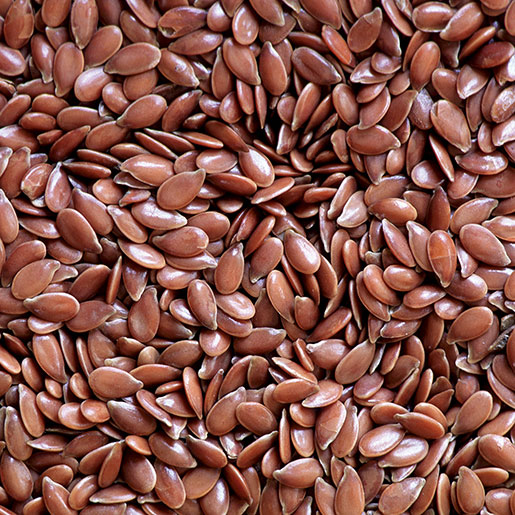
Common Names: flaxseed, flax, linseed
Latin Names: Linum usitatissimum
Background
- Flaxseed has had a variety of health and industrial uses. Hippocrates wrote about flaxseed being a laxative; North American pioneers made flaxseed dressings for cuts and burns. Fiber from the plant is made into linen, and oil from its seeds is used in paints, among other products.
- Today, flaxseed and flaxseed oil are promoted for a variety of disorders that include stomach and intestinal complaints, such as constipation, diarrhea, and irritable bowel syndrome (IBS). Flaxseed and flaxseed oil are also promoted for heart and blood vessel disorders (for example, high levels of blood fats such as cholesterol and triglycerides), as well as diabetes and other conditions.
How Much Do We Know?
- A number of studies in people have investigated the health effects of flaxseed and flaxseed oil, particularly how flaxseed may affect heart and blood vessel diseases, type 2 diabetes, and menopausal symptoms.
What Have We Learned?
- Flaxseed contains fiber, which may relieve constipation. However, there’s little research on the effectiveness of flaxseed for this condition.
- Authors of a 2019 review article suggest that flaxseed may be helpful for some people diagnosed with heart and blood vessel diseases. (It is not known whether flaxseed oil might have a similar effect.)
- Research suggests that flaxseed may help with blood sugar levels in some people with type 2 diabetes. (It is not known whether flaxseed oil might have a similar effect.)
- Studies have had conflicting results on whether flaxseed helps with symptoms of menopause.
- NCCIH is funding preliminary research on the potential role of flaxseed in inflammation and its effects on the gut microbiome.
What Do We Know About Safety?
- Don’t eat raw or unripe flaxseeds, which may contain potentially toxic compounds.
- Flaxseed and flaxseed oil supplements seem to be well tolerated in limited amounts. Few side effects have been reported.
- Flaxseed may be unsafe during pregnancy as it may have mild hormonal effects, but there is no reliable research on flaxseed’s effects on pregnancy outcomes. Some research suggests that flaxseed oil taken in the second or third trimester of pregnancy may increase the chance of premature births. Little is known about whether it’s safe to use flaxseed while breastfeeding.
- Flaxseed, like any fiber supplement, should be taken with plenty of water, as it could worsen constipation or, in rare cases, cause an intestinal blockage. Both flaxseed and flaxseed oil can cause diarrhea.
Keep in Mind
- Take charge of your health—talk with your health care providers about any complementary health approaches you use. Together, you can make shared, well-informed decisions.
NCCIH Clearinghouse
The NCCIH Clearinghouse provides information on NCCIH and complementary and integrative health approaches, including publications and searches of Federal databases of scientific and medical literature. The Clearinghouse does not provide medical advice, treatment recommendations, or referrals to practitioners.
Toll-free in the U.S.: 1-888-644-6226
Telecommunications relay service (TRS): 7-1-1
Website: https://www.nccih.nih.gov
Email: info@nccih.nih.gov (link sends email)
PubMed®
A service of the National Library of Medicine, PubMed® contains publication information and (in most cases) brief summaries of articles from scientific and medical journals. For guidance from NCCIH on using PubMed, see How To Find Information About Complementary Health Approaches on PubMed.
Website: https://pubmed.ncbi.nlm.nih.gov/
Office of Dietary Supplements (ODS), National Institutes of Health (NIH)
ODS seeks to strengthen knowledge and understanding of dietary supplements by evaluating scientific information, supporting research, sharing research results, and educating the public. Its resources include publications (such as Dietary Supplements: What You Need To Know) and fact sheets on a variety of specific supplement ingredients and products (such as vitamin D and multivitamin/mineral supplements).
Website: https://ods.od.nih.gov
Email: ods@nih.gov (link sends email)
Key References
- Colli MC, Bracht A, Soares AA, et al. Evaluation of the efficacy of flaxseed meal and flaxseed extract in reducing menopausal symptoms. Journal of Medicinal Food. 2012;15(9):840-845.
- Flaxseed. Natural Medicines website. Accessed at naturalmedicines.therapeuticresearch.com on April 30, 2020. [Database subscription].
- Flaxseed oil. Natural Medicines website. Accessed at naturalmedicines.therapeuticresearch.com on April 30, 2020. [Database subscription].
- Parikh M, Maddaford TG, Austria JA, et al. Dietary flaxseed as a strategy for improving human health. Nutrients. 2019;11(5):1171.
- Pruthi S, Qin R, Terstreip SA, et al. A phase III, randomized, placebo-controlled, double-blind trial of flaxseed for the treatment of hot flashes: North Central Cancer Treatment Group N08C7. Menopause. 2012;19(1):48-53.
- Simbalista RL, Sauerbronn AV, Aldrighi JM, et al. Consumption of a flaxseed-rich food is not more effective than a placebo in alleviating the climacteric symptoms of postmenopausal women. Journal of Nutrition. 2010;140(2):293-297.
- Thompson LU, Mason JK. Flaxseed. In: Coates PM, Betz JM, Blackman MR, et al., eds. Encyclopedia of Dietary Supplements, 2nd ed. New York, NY: Informa Healthcare; 2010:274-287.
This publication is not copyrighted and is in the public domain. Duplication is encouraged.
NCCIH has provided this material for your information. It is not intended to substitute for the medical expertise and advice of your health care provider(s). We encourage you to discuss any decisions about treatment or care with your health care provider. The mention of any product, service, or therapy is not an endorsement by NCCIH.