 An official website of the United States government
Goldenseal
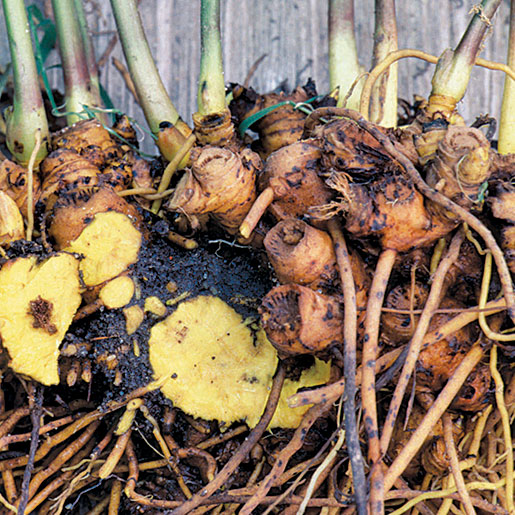
Common Names: goldenseal, yellow root
Latin Names: Hydrastis canadensis
Background
- Goldenseal is a plant native to North America. Overharvesting and loss of habitat have decreased the availability of wild goldenseal, but the plant is now grown commercially in the United States, especially in the Blue Ridge Mountains.
- Historically, Native Americans used goldenseal for skin disorders, ulcers, fevers, and other conditions. European settlers adopted it as a medicinal plant, using it for a variety of conditions.
- Currently, goldenseal is promoted as a dietary supplement for colds and other respiratory tract infections, allergic rhinitis (hay fever), ulcers, and digestive upsets such as diarrhea and constipation. It is also used as a mouthwash for sore gums and as an eyewash for eye inflammation, and it is applied to the skin for rashes and other skin problems.
How Much Do We Know?
- Very little research has been done on the health effects of goldenseal.
What Have We Learned?
- The scientific evidence does not support the use of goldenseal for any health-related purpose.
- Berberine, a substance found in goldenseal, has been studied for heart failure, diarrhea, infections, and other health conditions. However, when people take goldenseal orally (by mouth), very little berberine may be absorbed by the body or enter the bloodstream, so study results on berberine may not apply to goldenseal.
What Do We Know About Safety?
- Little information is available on the safety of goldenseal taken alone. Goldenseal might be safe for most adults when taken by mouth in the short term. There is not enough reliable information to know if goldenseal is safe for long-term use.
- Women who are pregnant or breastfeeding should not use goldenseal, and it should not be given to infants. Berberine can cause or worsen jaundice in newborn infants and could lead to a life-threatening problem called kernicterus.
- A study funded by the National Center for Complementary and Integrative Health (NCCIH) found that some commercial goldenseal dietary supplements didn’t contain much goldenseal and instead included ingredients not listed on their labels.
- Goldenseal may change the way your body processes many medications. An NCCIH-funded study found that levels of metformin—the most commonly prescribed diabetes medicine—decreased about 25 percent in healthy adults who were given goldenseal extract plus metformin. This drop was enough to potentially hinder glucose control in people with type 2 diabetes taking metformin. Therefore, people with type 2 diabetes who are taking metformin should consult their health care provider before using goldenseal.
Keep in Mind
- Take charge of your health—talk with your health care providers about any complementary health approaches you use. Together, you can make shared, well-informed decisions.
NCCIH Clearinghouse
The NCCIH Clearinghouse provides information on NCCIH and complementary and integrative health approaches, including publications and searches of Federal databases of scientific and medical literature. The Clearinghouse does not provide medical advice, treatment recommendations, or referrals to practitioners.
Toll-free in the U.S.: 1-888-644-6226
Telecommunications relay service (TRS): 7-1-1
Website: https://www.nccih.nih.gov
Email: info@nccih.nih.gov (link sends email)
PubMed®
A service of the National Library of Medicine, PubMed® contains publication information and (in most cases) brief summaries of articles from scientific and medical journals. For guidance from NCCIH on using PubMed, see How To Find Information About Complementary Health Approaches on PubMed.
Website: https://pubmed.ncbi.nlm.nih.gov/
Office of Dietary Supplements (ODS), National Institutes of Health (NIH)
ODS seeks to strengthen knowledge and understanding of dietary supplements by evaluating scientific information, supporting research, sharing research results, and educating the public. Its resources include publications (such as Dietary Supplements: What You Need To Know) and fact sheets on a variety of specific supplement ingredients and products (such as vitamin D and multivitamin/mineral supplements).
Website: https://ods.od.nih.gov
Email: ods@nih.gov (link sends email)
Key References
- Asher GN, Corbett AH, Hawke RL. Common herbal dietary supplement-drug interactions. American Family Physician. 2017;96(2):101-107.
- Goldenseal. Natural Medicines website. Accessed at naturalmedicines.therapeuticresearch.com on December 23, 2019. [Database subscription].
- McKenna DJ, Plotnikoff GA. Goldenseal. In: Coates PM, Betz JM, Blackman MR, et al., eds. Encyclopedia of Dietary Supplements. 2nd ed. New York, NY: Informa Healthcare; 2010:379-390.
- Nguyen JT, Tian D-D, Tanna RS, et al. Assessing transporter-mediated natural product-drug interactions via in vitro-in vivo extrapolation: clinical evaluation with a probe cocktail. Clinical Pharmacology and Therapeutics. November 11, 2020. Epub ahead of print.
- Wallace ED, Oberlies NH, Cech NB, et al. Detection of adulteration in Hydrastis canadensis (goldenseal) dietary supplements via untargeted mass spectrometry-based metabolomics. Food and Chemical Toxicology. 2018;120:439-447.
This publication is not copyrighted and is in the public domain. Duplication is encouraged.
NCCIH has provided this material for your information. It is not intended to substitute for the medical expertise and advice of your health care provider(s). We encourage you to discuss any decisions about treatment or care with your health care provider. The mention of any product, service, or therapy is not an endorsement by NCCIH.